

Growth Guarantee Scheme Update: The Complete Guide for UK Businesses
If you’re looking to grow your business, invest in new…

The challenge is that new businesses don’t always have large cash reserves available. This leads many entrepreneurs to ask: Can start-ups get asset finance in the UK?
The good news is that the answer is often yes.
While securing finance as a start-up can sometimes be more challenging than it is for an established business, there are lenders willing to support new ventures with the right proposition.
Asset finance allows businesses to acquire construction equipment, vehicles, farm machinery, and other assets without paying the full purchase price upfront.
Instead, the cost is spread over an agreed period through manageable monthly payments.
Common assets funded through asset finance include:
For many start-ups, asset finance provides a practical way to preserve working capital while gaining access to the equipment needed to operate and grow.
You can learn more about Asset Finance on the Liquid Corporate Finance website.
Yes, many start-ups successfully obtain asset finance every year.
Unlike some forms of unsecured lending, asset finance is often viewed more favourably because the asset itself acts as security for the lender.
This can reduce the lender’s risk and improve the chances of approval for newer businesses.
However, lenders will still want to understand:
The stronger your overall application, the more funding options are likely to be available.
Every lender has different criteria, but there are several factors commonly considered during the assessment process.
Director Experience
Even if the business is new, industry experience can be a significant advantage. A lender may be more comfortable supporting a start-up if the directors have a proven track record within the sector.
Deposit Contribution
Providing a deposit can reduce the amount being financed and demonstrate commitment to the investment. While not always required, a deposit can strengthen an application.
Business Plan
For newly established businesses, a well-prepared business plan can help lenders understand the company’s objectives and future prospects.
Personal Credit History
Many lenders will review the personal credit profile of company directors, particularly where the business has little or no trading history. A strong personal credit history can improve access to funding, although some lenders may still consider applications where credit issues exist.
Asset finance can be used to fund a wide range of business-critical equipment. Popular examples include:
Commercial Vehicles
Many new businesses require vans, trucks, or specialist vehicles to begin trading. Asset finance allows these vehicles to be acquired without a substantial upfront investment.
Machinery and Equipment
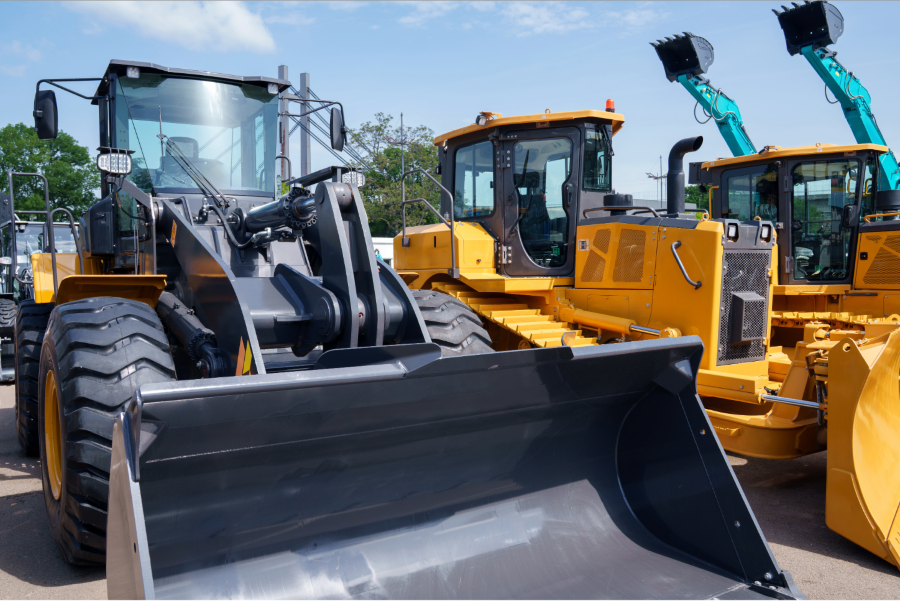
Construction, manufacturing, engineering, and agricultural businesses often rely on expensive equipment that would otherwise tie up valuable cash reserves.
Trucks and HGVs
Haulage, logistics, construction, and distribution businesses often require trucks and HGVs to support daily operations and to service new and existing contracts,
Buses and Coaches
Businesses operating in passenger transport, private hire, tourism, and school transport sectors may require buses and coaches to begin trading.
Asset finance offers several advantages for new businesses:
Preserve Cash Flow
Rather than spending a large amount of capital on equipment purchases, businesses can spread costs over time. This helps preserve cash for other important expenses such as marketing, staffing, and operational costs.
Access Better Equipment
Instead of settling for older or less efficient assets, finance can provide access to newer equipment that may improve productivity and competitiveness.
Predictable Payments
Fixed monthly repayments can make budgeting easier and provide greater financial certainty.
Support Business Growth
By acquiring essential assets sooner, businesses can begin generating revenue and pursuing growth opportunities more quickly.
In many situations, asset finance can be a more accessible option than an unsecured business loan. Because the asset provides security for the lender, approval criteria may be more flexible.
Additionally, the funding is directly linked to a specific business asset, making it easier for lenders to assess the investment’s value. The most suitable solution will depend on the individual business, its objectives, and the assets required.
Being a start-up doesn’t automatically prevent you from obtaining business finance.
In fact, asset finance is often one of the most effective funding solutions for new businesses looking to acquire vehicles, machinery, technology, or equipment without placing unnecessary strain on cash flow.
With the right lender and a strong application, many start-ups can access the funding they need to invest in growth from day one.
Before applying for finance, it’s worth researching the different funding solutions available to UK businesses. The British Business Bank provides guidance on finance options for start-ups and growing businesses, while Companies House offers information on setting up and managing a limited company. Reviewing these resources can help new business owners make informed decisions before approaching lenders and finance providers.
Useful links:
British Business Bank: https://www.british-business-bank.co.uk
Companies House: https://www.gov.uk/government/organisations/companies-house
UK Government Business Finance Support: https://www.gov.uk/business-finance-support
Can a new business get asset finance with no trading history?
Yes, many lenders will consider start-ups with little or no trading history, particularly where directors have industry experience and a strong business plan.
Do I need a deposit for start-up asset finance?
Not always. Some lenders offer finance with no deposit, although providing one may improve your chances of approval.
Can I get asset finance with bad credit?
Potentially. Some specialist lenders consider applications from directors with adverse credit, depending on the circumstances and asset being financed.
What assets can a start-up finance?
Common assets include commercial vehicles, machinery, construction equipment, agricultural equipment, trucks and HGV’s and buses and coaches.
Is asset finance better than a business loan for start-ups?
In many cases, asset finance can be easier to obtain because the asset itself provides security for the lender.
If you’re launching a new business and need funding for vehicles, equipment, or machinery, Liquid Corporate Finance can help you explore the options available. Contact our team today for a free, no-obligation discussion about the most suitable asset finance solutions for your business.








Longer term = lower payments
This enquiry will not affect your credit score